8 Signs Your Rochester Hills Home May Need an Electrical Panel Upgrade
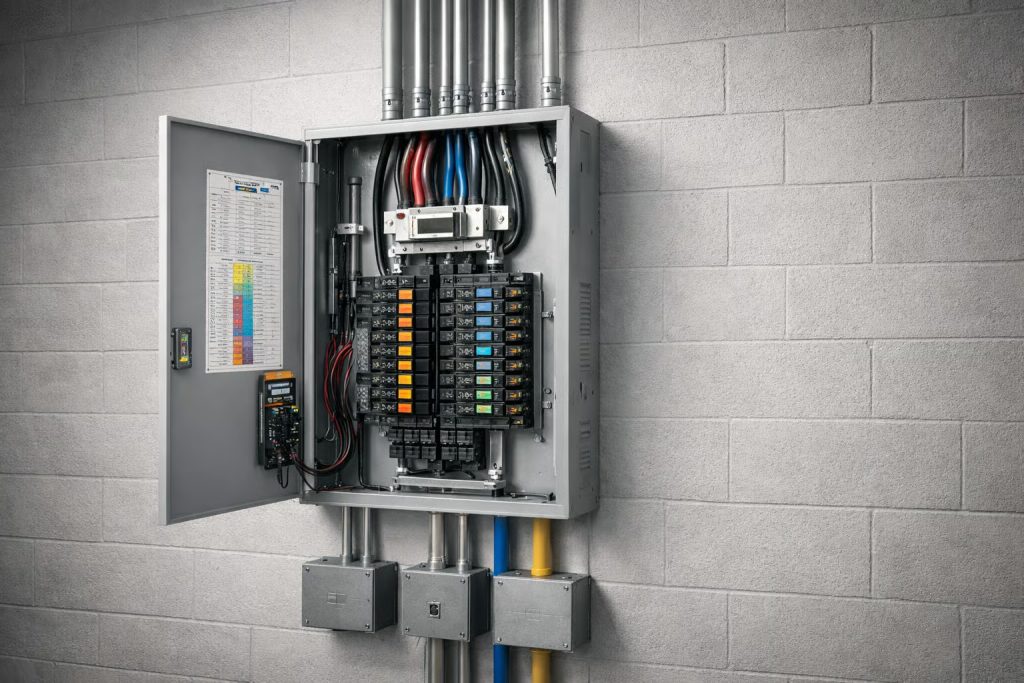
The electrical panel distributes power to the circuits throughout your home. As household electrical needs increase, an older panel may struggle to support new appliances, charging stations, heating and cooling equipment, and other modern technology.
Not every electrical issue means the panel must be replaced. However, certain warning signs should be evaluated by a licensed electrician.
Here are eight signs that your Rochester Hills home may need an electrical panel upgrade.
1. Circuit Breakers Trip Frequently
Circuit breakers are designed to interrupt power when a circuit becomes overloaded or another electrical problem occurs. An occasional trip may be caused by using too many devices on the same circuit.
Frequent breaker trips may indicate that individual circuits or the electrical panel no longer meet the home’s power demands.
Avoid repeatedly resetting a breaker without determining why it is tripping. An electrician can inspect the circuit, connected equipment, wiring, and panel to identify the cause.
2. Your Home Still Has a Fuse Box
Fuse boxes were commonly used in older homes before modern circuit breaker panels became standard. A functioning fuse box is not automatically unsafe, but it may not provide the capacity or convenience needed for a modern household.
Homeowners with fuse boxes may also experience difficulty adding new circuits for appliances, air conditioning, EV chargers, or remodeling projects.
Replacing a fuse box with a modern circuit breaker panel can improve usability and provide room for future electrical needs.
3. Lights Flicker or Dim
Lights that flicker or dim when an appliance starts may indicate a loose connection, overloaded circuit, equipment problem, or insufficient electrical capacity.
For example, you may notice lights dimming when the air conditioner, microwave, vacuum, or another high-demand device turns on.
Because flickering lights can have several causes, professional electrical troubleshooting is the best way to determine whether the panel, circuit, wiring, or appliance is responsible.
4. The Panel Makes Buzzing or Crackling Sounds
A properly operating electrical panel should not regularly produce loud buzzing, crackling, or popping sounds.
Unusual noises can indicate loose connections, damaged components, or electrical arcing. Do not remove the panel cover or attempt to tighten internal components yourself. Contact a licensed electrician for an inspection.
5. You Notice Heat, Discoloration, or a Burning Odor
Heat, scorch marks, discoloration, or a burning odor near the electrical panel should never be ignored.
Do not touch or open a panel that appears damaged, unusually hot, or affected by smoke. Contact a qualified electrician immediately. If there is an active fire or visible smoke, leave the area and contact emergency services.
6. The Panel Is More Than 25 Years Old
Electrical panels do not have one universal replacement age. Their condition depends on the equipment, installation quality, maintenance, environment, and electrical demands placed on the system.
However, an older panel should be evaluated when buying or remodeling a home, adding major equipment, or experiencing recurring electrical problems.
Some older panel brands and designs may also require closer inspection. A licensed electrician can identify the panel manufacturer and determine whether replacement should be considered.
7. You Are Adding New Electrical Equipment
Many homeowners schedule a panel evaluation before installing equipment that places additional demand on the electrical system.
Examples include:
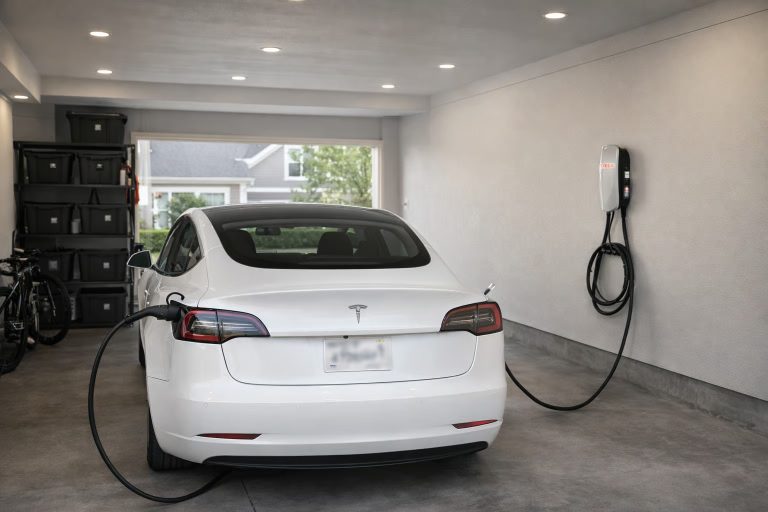
- A Level 2 EV charger
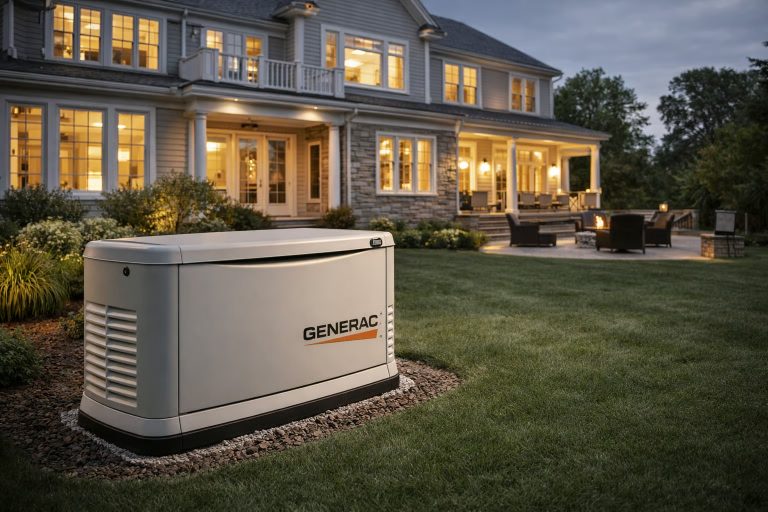
- A standby generator
- A hot tub or spa
- Central air conditioning
- Electric heating equipment
- A finished basement
- A kitchen addition
- New workshop equipment
- Additional commercial equipment
An electrical panel upgrade can provide additional breaker space and capacity for these improvements.
8. You Do Not Have Enough Outlets or Circuits
Heavy reliance on extension cords, power strips, or multi-outlet adapters may indicate that the home does not have enough conveniently located receptacles.
While adding outlets does not always require replacing the panel, the electrician must confirm that the system has enough capacity and breaker space for new circuits.
This is particularly important during a kitchen, bathroom, basement, or home-office renovation.
What Happens During a Panel Upgrade?
The exact process depends on the existing electrical system and the scope of the project. A typical panel upgrade may involve:
- Inspecting the current panel and electrical service
- Calculating the home’s electrical load
- Selecting the appropriate panel and service size
- Coordinating permits and utility requirements
- Removing outdated equipment
- Installing the new panel and breakers
- Reconnecting and labeling circuits
- Completing testing and inspection
Some homes may benefit from upgrading from 100-amp to 200-amp service, particularly when additional electrical demand is expected. The electrician should determine the appropriate capacity based on the property rather than assuming every home needs the same upgrade.
Benefits of a Modern Electrical Panel
Depending on the condition of the current system, an upgraded panel may provide:
- Additional electrical capacity
- Space for new circuits
- Modern circuit protection
- Improved organization and labeling
- Support for EV chargers and generators
- Better preparation for remodeling
- Replacement of outdated equipment
- Improved code compliance
A panel upgrade should be based on a professional evaluation of the home’s condition, usage, and future plans.
Schedule an Electrical Panel Evaluation in Rochester Hills
Seaglund Electric provides electrical panel upgrades and service changes for homeowners in Rochester Hills and throughout Oakland County. The company also serves Troy, Rochester, Auburn Hills, Bloomfield Hills, Shelby Township, Oakland Township, and surrounding Metro Detroit communities.
Call 248-710-3241 or request a free estimate to have your electrical panel evaluated by a licensed electrician.