Standby Generator Installation in Oakland County: Is It Worth It?
Power outages can disrupt nearly every part of daily life. Lights turn off, internet service goes down, refrigerators stop cooling, and heating or air-conditioning systems may become unavailable.
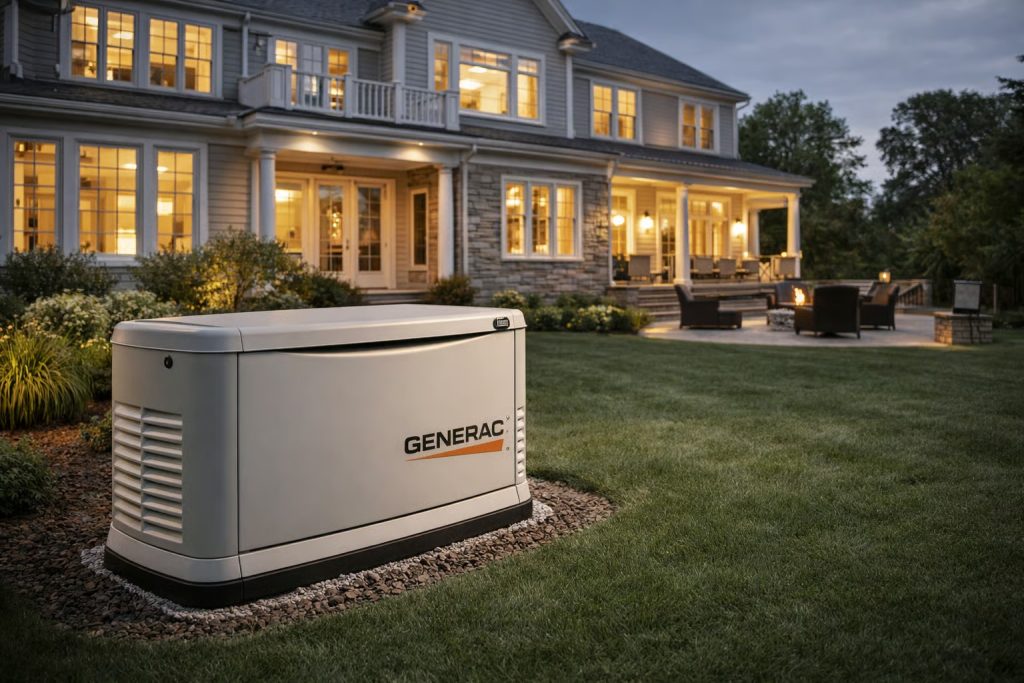
For Oakland County homeowners, a standby generator provides an automatic source of backup power when the electrical grid fails. Unlike a portable generator that must be moved, fueled, and manually connected, a standby system is permanently installed outside the home.
When an outage occurs, the generator can detect the interruption and begin supplying power through an automatic transfer switch.
How Does a Standby Generator Work?
A standby generator is connected to the home’s electrical system and a permanent fuel source, typically natural gas or propane.
The system monitors the incoming utility power. When utility power is interrupted, the automatic transfer switch disconnects the home from the grid and directs generator power to selected circuits or the entire electrical system.
Once utility power returns, the system transfers the home back to the grid and shuts the generator down.
This automated process is one of the main reasons homeowners choose a standby system instead of relying only on a portable generator.
What Can a Standby Generator Power?
The amount of equipment a generator can operate depends on its size, the home’s electrical demand, and how the system is configured.
A properly sized standby generator may help keep essential systems operating, including:
- Heating and cooling equipment
- Refrigerators and freezers
- Sump pumps
- Well pumps
- Lighting
- Internet equipment
- Home office equipment
- Security systems
- Garage doors
- Selected kitchen appliances
- Important medical equipment
Some homeowners want to power only essential circuits. Others prefer whole-home generator coverage. A professional electrical assessment can determine which option is appropriate for the property.
Why Generator Sizing Matters
Choosing the largest available generator is not always necessary. The system should be selected according to the home’s expected electrical load and the equipment that needs to remain operational.
An electrician may evaluate:
- The size of the electrical service
- Heating and cooling equipment
- Major household appliances
- Sump pumps and well pumps
- Home office requirements
- Medical or accessibility equipment
- Future electrical additions
Correct sizing helps the generator operate more effectively and prevents the homeowner from paying for capacity that may not be needed.
Protecting Your Home During an Outage
Backup power can provide more than convenience. It can help protect the home from problems that may occur during an extended outage.
Keep the Sump Pump Operating
Homes with sump pumps may face a greater risk of basement water problems if the power goes out during a heavy storm. A standby generator can help keep the pump operating.
Reduce the Risk of Frozen Pipes
During a winter outage, a generator may keep the heating system running and reduce the risk of pipes freezing.
Protect Refrigerated Food
Keeping refrigerators and freezers powered can help prevent food from spoiling during a prolonged outage.
Maintain Internet and Home Office Equipment
For people who work from home, backup power can keep computers, routers, and other essential equipment operating.
Support Security and Safety Systems
A generator may also keep exterior lighting, alarms, cameras, and other security equipment active.
What Is Included in Generator Installation?
Professional standby generator installation involves more than placing the unit outside the home.
The process may include:
- Evaluating the property and electrical system
- Calculating the required generator capacity
- Selecting an appropriate installation location
- Installing the generator and transfer switch
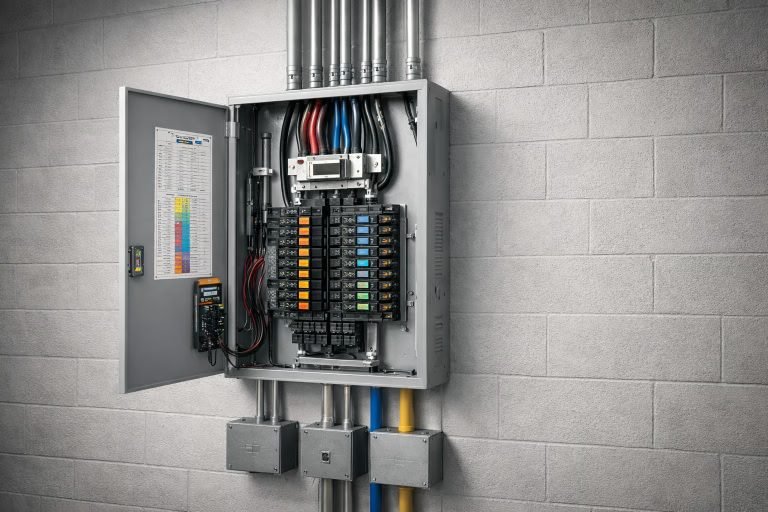
- Connecting the system to the electrical panel
- Coordinating the natural gas or propane connection
- Completing required permits and inspections
- Testing the system
- Showing the homeowner how it operates
Seaglund Electric provides Generac standby generator installation and electrical integration for Oakland County homeowners.
Where Should a Standby Generator Be Installed?
A generator must be installed in an appropriate exterior location. The installer will consider the home’s layout, electrical panel location, fuel connection, property boundaries, windows, doors, ventilation, and required clearances.
Because every property is different, the most convenient location is not always the most suitable one. A site assessment helps identify a safe and practical installation area.
Generator Maintenance Is Important
Like other mechanical equipment, a standby generator needs routine maintenance. Regular service can help identify worn components, battery problems, fluid concerns, or other issues before the next outage.
Homeowners should also pay attention to system alerts and schedule service when the generator indicates a problem.
Schedule Generator Installation in Oakland County
A standby generator can provide automatic backup power and greater peace of mind during Michigan outages. Seaglund Electric installs Generac generators for homeowners in Rochester Hills, Troy, Auburn Hills, Rochester, Bloomfield Hills, Oakland Township, and nearby communities.
Call 248-710-3241 or contact Seaglund Electric to request an estimate for standby generator installation in Oakland County.